
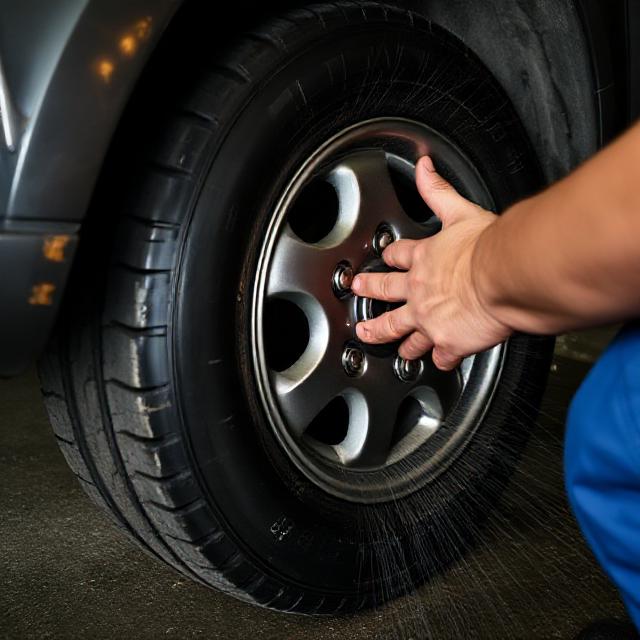
Why Tyre Pressure Could Save Your Life
Carbon‑fiber aesthetics, pit‑lane practicality, and South African road reality — all in one guide.
✅ Why Tyre Pressure Could Save Your Life
Most drivers obsess over: oil coolant battery brakes service intervals Yet the most important safety item is often ignored: TYRE PRESSURE. Incorrect tyre pressure contributes to: blowouts aquaplaning poor braking bad fuel economy unstable handling premature tyre wear This article explains why tyre pressure is life-or-death. UNDERINFLATED TYRES — A SILENT KILLER Underinflated tyres: overheat flex excessively cause blowouts reduce steering precision increase stopping distance by up to 30% Low pressure kills more drivers than mechanical failures. OVERINFLATED TYRES — JUST AS DANGEROUS Overinflation causes: reduced grip harsher ride easier skidding uneven wear Many drivers overinflate “for fuel saving” — a dangerous myth.
A tyre only touches the road with a hand-sized patch of rubber. Pressure determines: how big how flat how stable …that patch is. Right pressure = maximum grip.
Cold weather lowers pressure. Hot weather increases it. Drivers must adjust seasonally.
Car full of people? Boot full of luggage? Use the higher “loaded” pressure on your door sticker.
Bad pressure increases risk of: fatal rollovers tyre bursts at high speed losing control in rain braking failure It’s not optional — it’s essential. HOW OFTEN SHOULD YOU CHECK TYRES? Professionals recommend: every 2 weeks before long trips after hitting potholes during big temperature changes
Conservatism argues: ✔ 1. A responsible driver checks tyre pressure regularly. ✔ 2. Protect your family through discipline, not luck. ✔ 3. Cars don’t fail — maintenance fails. ✔ 4. Safety begins with the individual. A tyre may look fine — but wrong pressure can kill.
Tyres Are Your Only Contact With Earth
Motorsport makes this obvious: a Formula 1 car is just four dinner‑plate footprints glued to the track. Your road car is the same. When pressures are wrong, you lose grip, braking distance grows, and blowout risk rises.
What Low Pressure Really Does
- Creates heat build‑up — the main cause of highway failures.
- Damages sidewalls on potholes.
- Increases fuel use because rolling resistance rises.
South African Roads Make It Critical
Potholes, gravel shoulders, and long hot drives mean tyres are under extreme stress. Checking pressure weekly is like checking your seatbelt — it’s not optional, it’s survival.
FAQs
What’s the most practical takeaway for everyday drivers?
Adopt a motorsport habit: inspect, measure, and maintain regularly. It prevents breakdowns and saves money.
Does this advice apply to older cars too?
Yes. Older cars benefit even more because small issues grow faster when parts age.
How do I start if I’m a beginner?
Pick one skill at a time: tyre pressure checks, basic detailing, or reading your owner’s manual. Consistency beats perfection.
Conclusion
Motorsport is the extreme laboratory of car life. What survives the track survives the road. Use the lessons above not as trivia, but as a playbook for safer, smarter, and more confident driving in South Africa’s real conditions.