
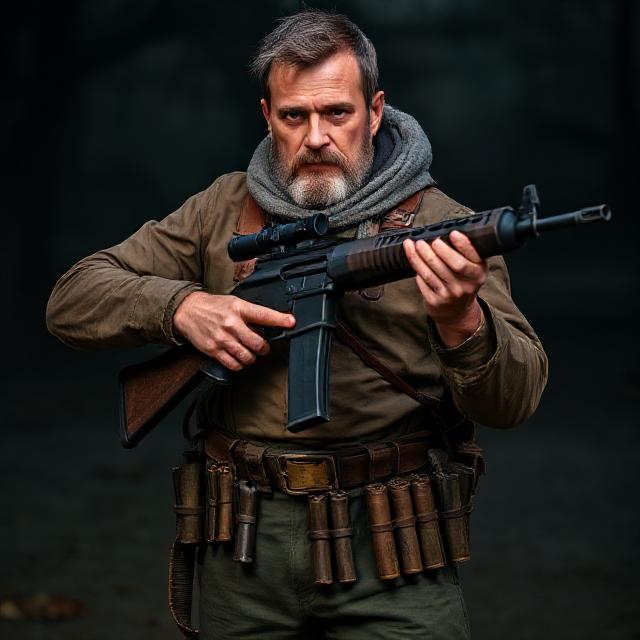
How Hollywood Lies About Guns: The Biggest Myths
A reality check on cinema tropes, real physics, and why truth matters for safety.
Why Cinema Keeps Getting Guns Wrong
Hollywood doesn’t make gun scenes inaccurate out of malice. It does it because film is a language of speed and clarity. Directors want you to understand who is winning, who is in danger, and what emotion you should feel in a two‑second cut. The untidy truth of firearms—smoke, jams, ear‑ringing, missed shots, messy injuries—slows that language down.
Over a century of tropes has created a “movie gun grammar.” Viewers expect it. Producers fund what audiences recognize. And so the cycle repeats: myth becomes habit, habit becomes belief.
But belief has consequences. Many people’s only exposure to firearms is entertainment. So, if entertainment teaches nonsense, society debates firearms with nonsense. Safety suffers. Policy becomes theatrical. Fear or bravado replaces sober knowledge.
Myth 1: Silencers Turn Guns Into Whispers
On screen a suppressor makes a pistol sound like a polite cough. Real suppressors reduce blast, not eliminate it. A typical firearm without suppression produces a sound well above what human ears can tolerate safely. A suppressor might drop that level, but it is still a sharp, dangerous noise. You can still hear it down the street, and indoors it is still punishing.
Movies also skip the practical side: suppressed guns still cycle hot gas, they still need cleaning, and some ammunition remains supersonic, creating a loud “crack” as it breaks the sound barrier. A suppressor is not a magic mute button; it’s a pressure‑management tool.
Myth 2: One Shot Sends Bodies Flying
That dramatic backward launch is choreography, not physics. Momentum is conserved. The force that hits the target is equal to the force that hits the shooter. If a bullet could throw a grown man backwards, the shooter would be tossed too.
In reality people who are shot often collapse, flinch, or freeze. The body absorbs energy internally. What looks like “knockdown power” in real fights is usually shock, loss of function, or psychological collapse—not a visible blast wave.
Myth 3: Infinite Ammo and No Reloads
Hollywood heroes fire seventy rounds from magazines designed for fifteen. Reloads are rarely shown because they interrupt pacing. Yet real defensive shootings are defined by ammunition management. Trained shooters count rounds, know their weapon, and reload behind cover. Under stress, reloads can feel like trying to thread a needle on a boat in a storm.
Ignoring reloads teaches a dangerous subconscious lesson: that bullets are limitless and gunfights are long. In life, most fights are short, and running empty at the wrong moment is fatal.
Myth 4: Accuracy Is Effortless
Film turns shooting into pointing. Heroes run, dive, and spin while landing perfect headshots. Real accuracy depends on stance, grip, sight alignment, trigger control, breathing, and emotional control. Even on calm ranges, misses happen. In a real confrontation, heart rate spikes, hands shake, and tunnel vision distorts perception.
A handgun shot at 25 meters on a moving target is already challenging. Doing it while sprinting and dodging is closer to lottery odds than skill. That’s why real tactical training emphasizes getting stable or using cover before firing, not acrobatics.
Myth 5: Bullet Wounds Are Minor
Movies treat bullet wounds like bruises. A hero gets hit, sighs, rips cloth, and keeps jogging. Real wounds are physiological disasters. Even a small calibre round can tear tissue, fracture bone, and cause catastrophic bleeding. The body’s response includes shock, nausea, confusion, and rapid loss of strength.
Sometimes the most dangerous part is not the hole but the cascade: blood loss lowers oxygen, oxygen loss lowers cognition, and cognition loss ends the fight. The myth of “walk‑off gunshots” trivializes violence and makes real suffering invisible.
Myth 6: Guns Never Jam
In reality, firearms are machines. Machines fail. Dirt, damaged magazines, bad ammo, weak grips, and poor maintenance cause malfunctions. Professional training includes drills for clearing stoppages because they happen even with top‑tier weapons.
Movies avoid jams unless the plot needs tension. That makes audiences assume reliability is automatic, which is precisely the wrong assumption in any safety context.
Myth 7: Recoil Is Tiny
Actors fire rifles and pistols like they’re holding cordless drills. Real recoil is not only about pain; it disrupts aim. Follow‑up shots require re‑acquiring sights and controlling breathing. With heavier calibres, inexperienced shooters can lose their grip or flinch badly, sending rounds off target.
A realistic portrayal would show shooters adjusting stance, leaning forward, and fighting to stay on target. Hollywood trades that reality for clean framing.
Myth 8: “Shoot the Gun Out of His Hand”
It sounds noble: disable without killing. It is also fantasy. Hands are tiny targets that move erratically. Under adrenaline, even skilled shooters struggle to hit centre‑mass, which is why real doctrine focuses there. Trying trick shots multiplies risk to bystanders and gives threats more time to act.
Responsible defense is not a circus; it’s survival under law.
Myth 9: Nobody Goes Deaf
Gunshots are brutally loud, especially indoors. In real life, firing a weapon without hearing protection can cause permanent damage. After a shot, your ears ring, you might feel disoriented, and your ability to hear threats drops sharply.
Movies skip that because silence after a gunfight feels boring on camera. But anyone who trains with firearms knows hearing safety is not optional.
How Myths Shape Real Society
These distortions leak into everyday life in three ways.
- Safety errors: People handle guns casually, assuming they’re as forgiving as on screen.
- Policy theatre: Public debates focus on fictional capabilities rather than real mechanics.
- Criminal bravado: Young offenders copy cinematic poses without understanding risks, which makes situations deadlier for everyone.
Fiction is fine. Confusing fiction for reality is the problem.
A Traditional Conservative Take
Conservatism argues that freedom and responsibility travel together. Firearms represent both. A society that treats guns as toys will either drown in accidents or overreact into panic legislation. The proper path is sober competence: citizens who understand the tools they own and lawmakers who legislate from reality, not Hollywood.
The conservative remedy is practical: train properly, store securely, respect the law, and teach young people that guns are not fashion accessories but serious instruments that demand character.
FAQs
Do any films get guns right?
Yes, but they are rarer and usually slower paced. Realistic scenes often show cover use, reloads, missed shots, and the shock of noise.
Is it harmful to enjoy action movies?
No. Enjoy them as fiction. The harm appears only when people copy tactics or beliefs from movies into real life.
What’s the biggest lesson for owners?
Never let entertainment substitute for training. Learn from accredited instructors and real safety doctrine.
Conclusion
Hollywood’s gun language is built to entertain, not educate. It extends ammo, deletes recoil, softens wounds, and mutes noise so heroes look untouchable. The real world is louder, shorter, messier, and far more unforgiving.
Watch the movie. Love the drama. But don’t borrow its physics or its morals.
A Quick History of Movie Gun Culture
Early westerns established the myth of the fast draw and the honour duel. Noir films added the idea of the trench‑coat pistol as a symbol of power. The 1980s action era then turned firearms into endless‑ammo fire hoses, because that matched the decade’s appetite for invincible heroes. Video games inherited those tropes and reinforced them with points, levels, and flashy kill animations.
By the time modern audiences arrived, the fictional gun had a full personality: silent when needed, lethal but clean, and always obedient to the hero. That personality is now so normal that realistic gun handling can feel “wrong” to viewers, even when it’s correct.
How to Watch Gun Scenes Like a Grown‑Up
You don’t need to become a ballistics nerd to be media‑literate. A few simple questions keep your head clear:
- Does anyone reload? If not, it’s fantasy time.
- Are shots fired indoors without consequences? That’s fiction.
- Do people take bullets and keep sprinting? Also fiction.
- Is the hero firing while running and never missing? You’re watching choreography, not tactics.
Once you spot the pattern, gun scenes become what they truly are: stylized dance numbers with louder music.
South African Context: Myths vs. Reality
South Africa’s firearm debate is often driven by fear, grief, and sometimes pure fantasy. Movies add fuel by making guns seem both simpler and more powerful than they are. That creates two dangerous camps: people who romanticize violence and people who panic about imaginary capabilities.
Reality is boring but vital: a firearm is an emergency tool for lawful defense. It demands licensing, secure storage, regular training, and deep respect for the consequence of pulling a trigger. A community that understands that reality argues better and stays safer.
The Point of Realism
Realism in gun depiction is not about ruining fun. It is about keeping society grounded. When entertainment inflates the power of weapons, it inflates the ego of criminals and the anxiety of civilians. When it erases the brutality of wounds, it erases empathy for victims.
Truth doesn’t kill creativity. It protects the audience from dangerous delusions.