
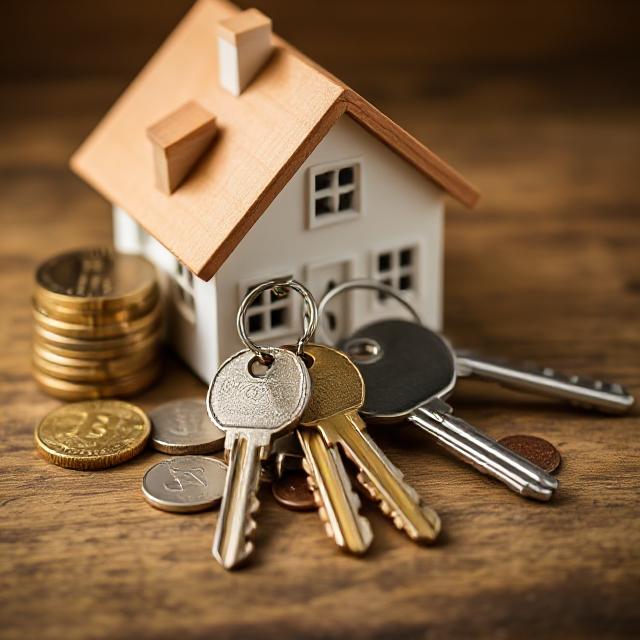
Buying Your First Home — A Friendly Step-by-Step Guide
From pre-approval to neighbourhood checks, hidden costs and FLISP — everything in one readable, interactive page (with earth tones and tiny jokes).
Excitement & realistic planning
Feel the joy, plan the numbers
Buying your first home is thrilling — it’s a milestone many South Africans dream about. That excitement fuels decisions, but good planning keeps them wise.
Before house-hunting, set goals: ideal move-in timeframe, maximum comfortable monthly payment, and non-negotiables (e.g., safety, schools, commute).
Get pre-approved
Know your budget
A pre-approval from a bank tells you the realistic maximum you can borrow and signals seriousness to sellers. Lenders will review your credit score, income and debt-to-income ratio.
Apply for pre-approval with one or two lenders to compare terms — too many hard checks can hurt your credit, so be selective and time them close together.
Location matters
Think beyond the house
Neighborhood determines future resale and rental potential: schools, transport links, crime stats and development plans are as important as the property itself.
Spend time in the area at different times of day, talk to locals when possible, and check municipal development plans for upcoming infrastructure projects.
Hidden costs (prepare for them)
Bond fees, transfer duty & more
Hidden costs such as bond registration fees, transfer duty, moving costs and initial repairs can add a significant sum to the purchase price. Budget an extra 5–10% to be safe.
Request a full breakdown from your attorney ahead of signing and keep a contingency fund for unexpected immediate repairs (e.g., plumbing or electrical fixes).
FLISP & subsidies
Check if you qualify
Government programmes like FLISP (Finance Linked Individual Subsidy Programme) can help eligible buyers with a subsidy. Eligibility rules change — check current criteria and application steps.
Speak to an accredited mortgage originator or housing counsellor who understands subsidy pathways — they can sometimes find options you might miss on your own.
Don’t rush: compare & negotiate
Offers are negotiations
Rushing into the first appealing property is a common mistake. Compare similar properties, study price movements in the suburb, and use inspection findings to negotiate price or repairs.
Remember the asking price is a start — other factors such as sale conditions, inclusion/exclusion of appliances and transfer timing are negotiable too.
Inspections & due diligence
Roof to pipes
Professional inspections (structural, electrical, plumbing) can reveal costly issues. Use inspection reports as bargaining tools and to budget for immediate repairs.
Ask for municipal account history, check for zoning restrictions, and confirm whether the property has any legal or planning disputes registered against it.
Financial buffer & ongoing costs
Rates, insurance & maintenance
After purchase, ongoing costs — municipal rates, insurance, levies (if applicable), security and maintenance — create a new baseline monthly cost that must fit your budget.
Build an emergency fund of 3–6 months’ essential expenses (6–12 months preferred for homeowners) and automate transfers to save consistently.
Mind the interest rate risk
Stress-test your budget
Interest rates change over time. Model your repayment capacity at current rates and at +2% or +3% to ensure you can absorb increases without distress.
If your lender offers variable-rate bonds, factor in potential rate hikes into your long-term affordability checks.
Practical checklist before signature
Quick review
- Pre-approval in writing and comparison of lender offers.
- Full attorney cost estimate (transfer + bond registration).
- Recent municipal account statements and levy history.
- Professional property inspection report.
- Sufficient emergency fund after deposit & moving costs.
If all boxes look reasonable and your stress-tested numbers work, you’re in a strong position to proceed — and to sleep at night afterward.
Interactive Tools
Repayment calc & pre-approval checklist
- Recent payslips (3 months)
- Bank statements (3–6 months)
- ID and proof of residence
- List of monthly obligations (loans, cards)
- Proof of deposit or savings
FAQs
Short practical answers
What deposit do I need to buy?
Commonly 10–20% is recommended. A larger deposit reduces monthly repayments and interest paid over time. Also budget for transfer and bond costs.
Is FLISP still available?
FLISP and other subsidies change over time. Speak to an accredited originator or housing counsellor to confirm your eligibility and current application steps.
How long should I wait after pre-approval to buy?
Pre-approval is typically valid for a limited period (ask your lender). Move within that window or refresh pre-approval if market conditions or your finances change.
Should I get bond protection insurance?
Bond protection (life/disability cover tied to the bond) can make sense, but compare costs and policy details — some expenses are better handled via comprehensive life/disability policies.
Final encouragement
Take calm, informed steps
Buying your first home is a big step — exciting, a little scary, and enormously rewarding if approached with patience and numbers. Use checklists, build buffers, and seek trusted professional advice when unsure.
And a small joke: when you own a home, you finally get to be annoyed by your own paint choices. Worth it? Many say yes.