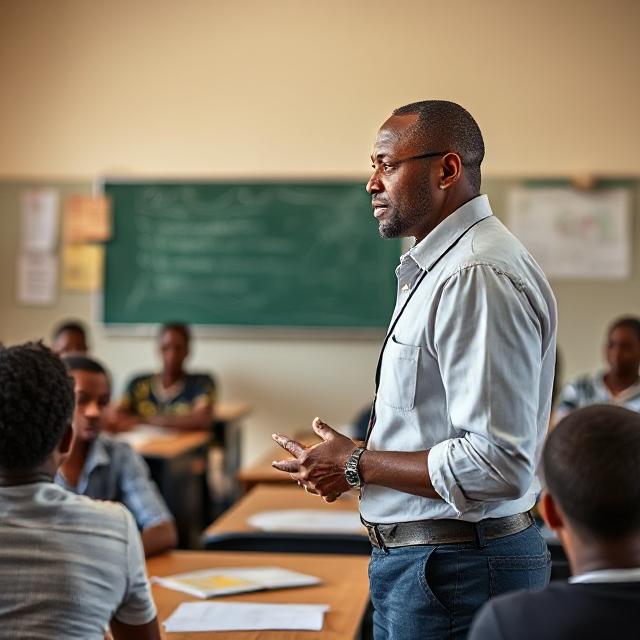
The chalk dust is settling, but the stress is piling up. South African educators are facing a crisis of burnout, a state of emotional, physical, and mental exhaustion caused by prolonged or excessive stress. This isn’t just a case of feeling tired; it’s a systemic problem that is pushing dedicated teachers to the brink and threatening the quality of education across the country. The question isn’t whether educators are stressed, but whether our education system is doing enough to support them.
The statistics paint a worrying picture. A recent study by Stellenbosch University found that half of the teachers surveyed are considering leaving the profession within the next decade. The primary reasons cited for this overwhelming desire to leave are overwhelming workloads and excessive administrative duties. Teachers feel they are being stretched far beyond their primary role of educating, with a study from the Mail & Guardian finding that 70% of teachers cite administrative tasks as their primary source of stress.
The problem is compounded by the challenging conditions in many schools. Overcrowded classrooms, particularly in rural and underprivileged areas, are a significant source of stress. It’s not uncommon for class sizes to reach 50 or even 70 learners, making it nearly impossible to give individual attention, maintain discipline, or provide quality teaching. The constant noise and demands create an atmosphere of chaos that leads to continuous stress and, ultimately, burnout.
Violence and safety concerns are also a major contributing factor. In some provinces, like Gauteng and the Western Cape, teachers are experiencing alarming levels of violence. A University of Free State study found that two in every ten teachers in Gauteng had encountered some form of violence, from verbal abuse to having objects thrown at them. The lack of support from school leadership and a feeling of vulnerability further exacerbates the issue, leaving teachers feeling unsupported and alone.
The mental health impact on educators is profound. Many teachers are experiencing chronic stress, anxiety, and depression. The emotional toll of their work is immense, as they are often left to manage complex social issues like poverty, violence, and abuse that are present in their students’ lives. Without adequate mental health support, this burden becomes unbearable, leading to emotional exhaustion and a loss of passion for the profession.
The consequences of this burnout crisis are far-reaching. High levels of teacher attrition threaten to create a significant teacher shortage, particularly in rural areas where 40% of teachers said nothing would convince them to take a job there. It also has a direct impact on the quality of education. A burnt-out teacher is less effective, less engaged, and less able to form meaningful bonds with their learners, ultimately harming the very children they are there to help.
Addressing this crisis requires a multi-faceted approach. We need to reduce administrative burdens, provide more support for teachers in high-pressure environments, and ensure they have access to mental health services. The emotional well-being of our educators is not a luxury; it’s a necessity. We must act now to support them before it’s too late.
The Burnout Crisis: Are South African Educators on the Brink?
👁 219👥 1 reading now