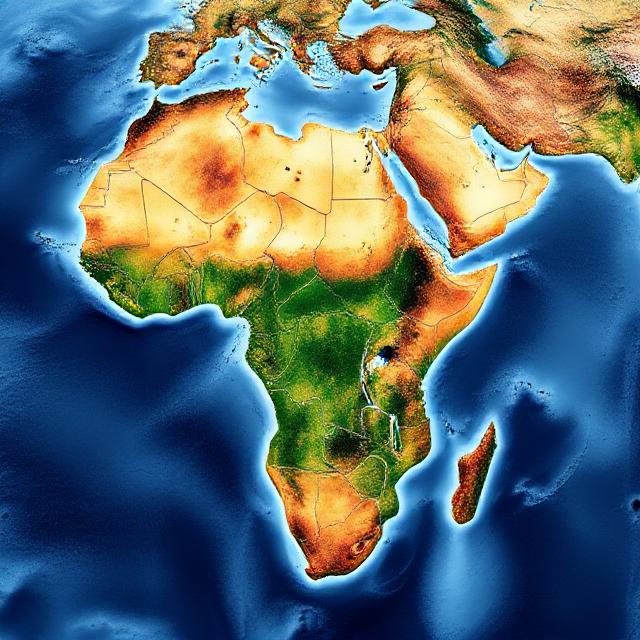
Africa, a continent of immense potential and diverse economies, is home to some of the world’s fastest-growing markets. The economic landscape is constantly shifting, with countries vying for the top spots in terms of Gross Domestic Product (GDP). The latest data shows a dynamic list of nations leading the continent’s economic charge, each with its own unique strengths and challenges. This article explores the top 10 African countries by GDP, highlighting their economic drivers and the factors shaping their future.
At the very top of the list, South Africa stands as Africa’s most industrialized and diversified economy. While it has faced significant challenges in recent years, its well-developed financial markets, strong legal system, and world-class infrastructure give it a competitive edge. South Africa’s economy is driven by a mix of mining, manufacturing, and a robust services sector, which includes finance, telecommunications, and tourism.
Following South Africa, Egypt and Algeria consistently hold top positions. Egypt’s economy is buoyed by its strategic location, a large consumer market, and key sectors like tourism, construction, and the Suez Canal. Algeria’s wealth is primarily derived from its vast oil and natural gas reserves, which dominate its economy and make it a major player in the global energy market.
Nigeria, long considered Africa’s largest economy, has experienced a significant decline in its GDP due to various economic challenges. However, with a population of over 233 million, it remains the continent’s most populous nation and a huge market for goods and services. The country’s economy is highly dependent on oil, making it vulnerable to global price fluctuations.
Morocco and Kenya have shown remarkable economic resilience and growth. Morocco’s diversified economy includes tourism, agriculture, manufacturing, and a growing automotive industry. Kenya’s economy, the largest in East and Central Africa, is driven by a vibrant services sector and a growing technology hub, with Nairobi positioning itself as a major financial and business centre for the region.
Ethiopia, with its rapidly growing economy, is another key player. The country has the largest economy in East Africa, driven by the services and agricultural sectors. The government’s focus on infrastructure development and industrialization is expected to further boost its economic growth in the coming years.
Other countries making it into the top 10 include Angola, Ivory Coast, and Ghana. Angola’s economy is heavily reliant on its extensive oil reserves, while Ivory Coast’s growth is driven by its strong agricultural sector, particularly cocoa production. Ghana’s economy is diversified, with key sectors including oil, gold, and cocoa.
The list of Africa’s top 10 economies is not static; it is constantly changing due to various factors, including global commodity prices, political stability, and investment in key sectors. The rise of new economies and the continued growth of established ones are a testament to the continent’s immense potential.
Africa’s Top 10: The Countries Leading the Continent in GDP
👁 169👥 1 reading now