
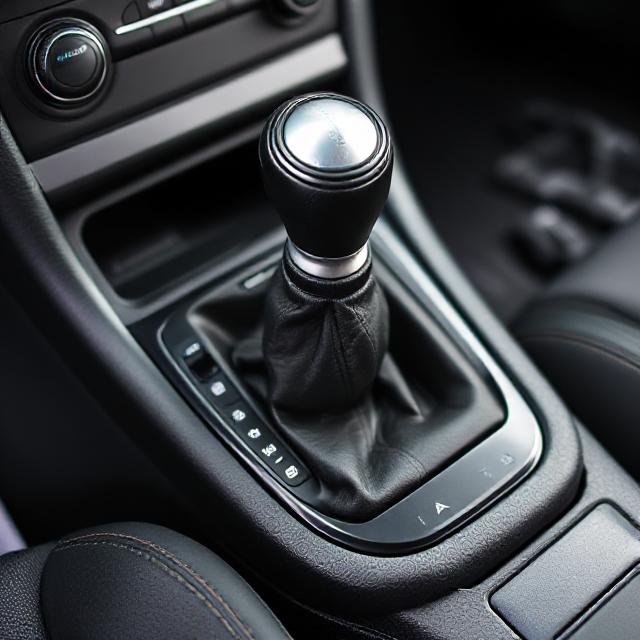
⚙️ Introduction to Gearboxes
Understanding the Role of Gearboxes in Machinery
Gearboxes are the unsung heroes of machinery, transferring power from engines to systems. They manage torque and speed efficiently, enabling cars, industrial machines, and even wind turbines to function smoothly.
Evolution of Gearbox Technology
From clunky mechanical systems to sleek, AI-optimized transmissions, gearbox tech has evolved like a flip phone to a smart, self-learning device — compact, efficient, and powerful.
Types of Gearboxes
- Manual Gearboxes – Full driver control.
- Automatic Gearboxes – Smooth, automatic shifting.
- CVT – Seamless gear ratios for efficiency.
- Dual-Clutch – Combines precision and ease.
Manual vs. Automatic Comparison
Manual gearboxes offer a raw, hands-on feel; automatic gearboxes provide convenience and comfort. Think of it like brewing coffee manually vs. pressing a button for instant perfection.
Key Features and Functions
- Gearing Ratios – Affect acceleration and torque response.
- Noise & Efficiency – Proper lubrication ensures quiet performance.
Performance Comparison
- Speed & Acceleration – Determines response time.
- Durability – Reliable gearboxes minimize breakdowns.
Factors When Choosing a Gearbox
- Power Requirements – Match your machine’s needs.
- Environmental Conditions – Temperature, humidity, exposure.
- Maintenance Needs – Opt for durable, low-maintenance designs.
Cost Analysis
- Initial Investment – Higher quality may cost more upfront but saves long-term.
- Maintenance & Repair – Reliability reduces ongoing expenses.
User Reviews & Recommendations
- Check feedback on durability, efficiency, and performance.
- Look for real-world reviews in similar conditions before deciding.
Conclusion: Making the Best Gearbox Decision
Analyze power requirements, cost, and user experiences to choose a gearbox that ensures reliability, efficiency, and performance.
❓ FAQs
1. What are the main differences between manual and automatic gearboxes?
Manual gearboxes require driver input; automatic gearboxes shift on their own for smooth operation.
2. How do gearing ratios impact performance?
Lower ratios increase torque; higher ratios favor speed and efficiency.
3. What makes a gearbox cost-effective?
Good balance of upfront cost, durability, and minimal maintenance.
4. How can user reviews influence my decision?
Real-world reviews highlight common issues and reliability in actual conditions.