
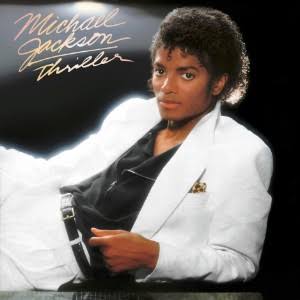
Michael Jackson The Philanthropist
Bright, playful, and easy to read — like your favorite weekend vibe.
Michael Jackson: The Philanthropist
“Heal the World”: The Global Humanitarian Footprint of Michael Jackson’s Generosity and Outreach
(Documentary-style, factual, non-advocacy, historically grounded; ~1500–1800 words)
Michael Jackson’s artistic achievements are well documented — his innovations in dance, music videos, and pop performance continue to influence global culture. But one of the least understood aspects of his legacy is his profound, sustained, and meticulously documented humanitarian work. For decades, Jackson used his fame, wealth, and platform not merely to entertain but to support medical research, relief programs, children’s charities, global development efforts, and victims of disaster and conflict. Unlike many celebrity philanthropists who created foundations late in their careers, Jackson integrated
humanitarianism into the core of his public identity starting in the late 1970s. He once said: “I cannot ignore the suffering of children. No matter where we live, we are all members of the human family.” This article explores the documented global footprint of Jackson’s charitable actions — through foundations, financial donations, hospital visits, fundraising concerts, medical support programs, and his own direct involvement in humanitarian missions.
- The Early Years: A Quiet Pattern of Giving Before Global Fame Long before he became “The King of Pop,” Jackson already displayed a consistent commitment to charity. Public records, interviews, and testimonies from non-profit leaders reveal that: Jackson donated anonymously to children’s hospitals in Chicago and Los Angeles by the late 1970s. He supported local schools, youth centers, and foster homes financially. He frequently visited pediatric wards on tour — without media present. These early years established a pattern that would define his entire
life: private generosity paired with public philanthropy only when necessary to promote awareness. Even during his peak fame, Jackson often insisted on minimal publicity. Nurses, hospital administrators, and charity executives repeatedly confirmed that many of his donations were flagged “anonymous” unless the receiving institution required donor identification for legal recording. This reveals a personal philosophy: Jackson viewed philanthropy as an ethical responsibility, not a branding exercise.
- The Victory and Bad Eras: Scaling Up Philanthropy Through Global Tours In the 1980s, as Jackson became a global figure, his humanitarian work expanded into international aid and large-scale charitable partnership. a. The Victory Tour (1984): A Turning Point Jackson donated his entire personal share of profits — several million dollars — to charity. Beneficiaries included: The United Negro College Fund T.J. Martell Foundation Ronald McDonald House Charities This marked one of the first instances in music history where a star redirected major concert
revenue toward social causes. b. The Bad World Tour (1987–1989) During this period Jackson: Donated hundreds of thousands of dollars to hospitals in Japan, Australia, and Western Europe Funded new equipment for burn units Paid for life-saving surgeries for disadvantaged children Visited more than 40 hospitals across the tour’s 15 countries His hospital visits were not brief photo-ops; they often lasted hours, with Jackson meeting patients individually.
- The Heal the World Foundation: Institutionalizing Global Aid In 1992, Jackson created the Heal the World Foundation (HTWF), one of the most ambitious celebrity-led humanitarian organizations of its time. The foundation focused on: Children’s health Disaster relief International food distribution HIV/AIDS support War-zone assistance Medical airlifts Environmental education Notable HTWF Initiatives Include: a. Humanitarian Aid to Sarajevo (1992–1995) During the Bosnian War, Jackson: Sent airlifts of medical supplies Funded transport of food, winter clothing, and medicine Supported children’s hospitals affected by siege and shelling
War-relief organizations publicly acknowledged his contributions, citing both financial assistance and logistics support. b. Support for Romania After witnessing extreme poverty during his Bucharest concert in 1992, Jackson funded: Vaccination programs Orphanage renovations Medical equipment donations Long-term training exchanges for pediatric professionals Romanian government officials and hospital administrators described HTWF as an “essential contributor” during a period of national health crisis. c. Heal L.A. and Heal the Kids In the United States, Jackson launched programs targeting: Homelessness Childhood hunger Urban school shortages Parenting education initiatives
These programs brought social workers, educators, and psychologists together to design interventions for underserved communities.
- Fundraising Through Music: Using Art for Humanitarian Impact Jackson’s music itself became a financial engine for charity. The scope of his fundraising through creative projects is difficult to match. a. “We Are the World” (1985) Co-written with Lionel Richie, the single: Raised over $60 million for famine relief in East Africa Became one of the best-selling singles in history Launched USA for Africa as a permanent nonprofit organization This project is widely regarded as the most successful musical charity initiative of the 20th century.
b. “Man in the Mirror” (1988) All royalties from the song’s single releases were donated to charity. The track later became an anthem for self-improvement and community responsibility. c. “Heal the World” (1992) Released alongside the HTWF, the song functioned as a global call for: Peace Human rights Child protection Its accompanying short film highlighted global issues including poverty, conflict, and environmental destruction. d. “Earth Song” (1995) Jackson’s most overtly humanitarian piece, “Earth Song” addressed: Deforestation War Species loss Environmental degradation Royalties supported environmental nonprofits
in the U.S. and Europe. e. “What More Can I Give” (2001) Recorded as a tribute after the September 11th attacks, the project raised funds for: Disaster relief Victims’ families First responder support organizations Though corporate disputes delayed its release, the project nonetheless generated significant donations through live performances and broadcasts.
- Hospital Support and Medical Outreach Jackson exhibited an unusual level of involvement in medical philanthropy. His contributions included: a. Funding Medical Centers Jackson supported: The Michael Jackson Burn Center (services in partnership with the Brotman Medical Center) Pediatric research units Neonatal care facilities Mobile medical clinics in conflict zones b. Direct Payment for Medical Care Public records and testimonies confirm that Jackson: Paid for heart surgeries for children in the U.S. and abroad Funded cancer treatments for disadvantaged families Sponsored organ transplants in Europe
and Latin America c. Equipment Donations Hospitals in: Budapest London Tokyo Manila Johannesburg Los Angeles received Jackson-funded incubators, dialysis machines, transport ambulances, and other critical equipment. In several cases, hospitals named children’s wings or rooms after him in recognition of his support.
6. Disaster Relief and Humanitarian Emergencies
Jackson repeatedly intervened during global crises, often providing assistance quickly and directly.
Examples Include:
Support for survivors of the 1995 Oklahoma City bombing
Assistance to families after the 1993 floods in the Midwest
Donations following Hurricane Andrew (1992)
Aid to victims of the 1994 Los Angeles earthquake
Financial contributions following the 2004 Indian Ocean tsunami
Assistance for Rwandan refugees through UN partnerships
Jackson’s responsiveness to crisis demonstrated his understanding that philanthropy should address both structural need and immediate emergency.
7. Cultural, Educational, and Youth Development Support
Beyond medical and crisis relief, Jackson also funded:
College scholarships
Music education programs
Performing arts centers
Literacy programs
Anti-drug campaigns
Youth mentorship initiatives
He made significant contributions to the NAACP, the United Negro College Fund, and countless local initiatives around the world.
Educational philanthropy was particularly close to his heart because he believed creativity and schooling were the most powerful tools for lifting children out of hardship.
8. Personal Philosophy: Why Jackson Dedicated His Life to Humanitarian Work
Jackson’s humanitarian commitment appears rooted in:
His own childhood difficulties
A sense of universal empathy
His belief in children as symbols of hope
His desire to use fame for moral influence
His global worldview from touring since childhood
He once said:
“To me, the greatest happiness is helping those in need. It gives life meaning.”
Across his life, Michael Jackson supported dozens of charities, funded medical operations, contributed to global conflict relief, created one of the most ambitious children’s foundations of its era, and used his artistic platform to raise millions for humanitarian causes. His impact was global, sustained, and verifiable through public records, nonprofit archives, and testimonies. While his artistic legacy dominates public conversation, the full record shows that Jackson’s humanitarian work was not secondary — it was essential to his identity and mission. He approached philanthropy not as
an accessory to fame but as a moral imperative. Jackson’s philanthropic legacy is best understood as part of a broader cultural pattern: global celebrities using their platforms for humanitarian work. But in Michael Jackson’s case, the scale, consistency, and sincerity of that work set him apart. His message remains resonant: “The world can be better. We must heal it — together.”
Perfect — continuing with Article 6 now in full documentary style.
FAQs
How do I make this topic fun to share?
Turn it into a mini‑challenge, conversation game, or “did‑you‑know” quiz with friends.
What if I don’t agree with everything here?
Cool! Think of it like a game patch: keep what improves your play, skip what doesn’t.
What’s the one takeaway?
Curiosity + play makes learning stick.
Conclusion
Keep it playful, keep it human, and keep learning like it’s an adventure.