
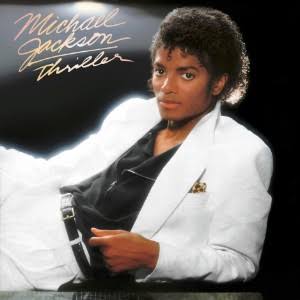
Michael Jackson The Artistic Genius
Bright, playful, and easy to read — like your favorite weekend vibe.
Michael Jackson: The Artistic Genius
Beyond the Music: 5 Ways Michael Jackson Forever Changed the Language of the Modern Music Video
(Documentary-style, analytical, neutral historical tone)
Before music videos became cultural events, before artists planned album eras around cinematic narratives, and long before streaming platforms transformed music consumption, there was Michael Jackson — an artist who understood earlier than anyone that sound and image were no longer separate worlds. Jackson’s contributions to modern music extend far beyond vocal mastery, choreography, or global influence. His most enduring legacy may be his reshaping of the visual language of popular music. Across the early 1980s through the 1990s, Jackson broke technical barriers, changed production
standards, and transformed what record labels expected from artists. His videos were not just promotional tools; they were short films, constructed with narrative arcs, complex characters, set design, costume, practical effects, and cinematic ambition rarely seen in the music industry at the time. This article examines five defining innovations that permanently altered the creative and technical expectations of music videos.
- The Cinematic Revolution: Turning Music Videos into Short Films Before Jackson’s rise, music videos — still often called “promos” — were low-budget, quickly assembled visuals for broadcast television. Most consisted of lip-sync performances, live concert recordings, or conceptual edits using simple visual gimmicks. Then came “Thriller” (1983). Working with filmmaker John Landis, Jackson insisted that the video be treated as a film production, complete with: A screenplay Professional actors Makeup and prosthetics Story arcs Dialogue sequences Original narrative not present in the song At
- minutes, “Thriller” was unprecedented in scope, budget, and ambition. MTV aired it as premium content, sometimes with on-air hosts introducing it the way they would a television special. The cultural shift was immediate: Labels realized that long-form music videos could become events. Artists across pop, rock, and R&B invested in narrative-based visuals. Directors from Hollywood and advertising industries crossed into music video production. Jackson’s insistence that videos be cinematic experiences permanently altered the expectations for visual storytelling in popular music.
- Narrative Complexity: Music Videos as Storytelling Vehicles Jackson’s videos often functioned as standalone narratives with: Defined characters Distinct settings Conflict and resolution arcs “Beat It” (1983) told a story of street tensions and conflict de-escalation. “Smooth Criminal” (1988) blended 1930s gangster cinema with noir choreography and integrated sets. “Remember the Time” (1992) provided a high-budget re-imagination of ancient Egypt with intricate set pieces, comedy elements, and narrative progression. These productions demonstrated something the industry had not fully appreciated: audiences were willing to invest emotionally
in the narrative worlds created by musicians. Today, the influence is clear in: Beyoncé’s Lemonade (visual album) Lady Gaga’s extended videos with narrative arcs K-pop storytelling universes The Weeknd’s multi-video character continuity Taylor Swift’s era-based narrative worldbuilding Jackson planted the seeds for narrative expansion, proving that music videos could sustain emotional and thematic complexity.
- The Scale of Production: Raising Technical and Budgetary Standards The budgets of Jackson’s videos were once unheard of: “Thriller”: ~$500,000 in 1983 (multi-million equivalent today) “Bad” (directed by Martin Scorsese): ~$2.2 million “Remember the Time”: ~$2 million “Scream” (1995): ~$7 million — still the most expensive music video ever made Such budgets were not acts of extravagance but intentional investments in: Set construction Professional film crews Special effects Advanced editing techniques Custom choreography Hollywood-grade equipment As Jackson expanded what was technically possible, record labels
and artists realized that high production value directly correlated with cultural impact. This led to: Dedicated music video budgets for major artists Specialized production companies The rise of iconic music video directors (Fincher, Gondry, Romanek, etc.) Higher expectations from fans Today’s multi-million-dollar videos owe their lineage to Jackson’s willingness to demand the highest professional standards.
- Dance as Visual Language: Integrating Choreography with Cinematic Framing Jackson’s choreography was not merely background entertainment; it was central to the storytelling of his videos. With pioneers like Michael Peters and later choreographers including Travis Payne and others, Jackson crafted sequences where movement expressed narrative intention. Consider: The gang unification dance in “Beat It” The supernatural ensemble in “Thriller” The lean and synchronized formations in “Smooth Criminal” The tension-filled face-off choreography in “Bad” But equally important was Jackson’s understanding of how dance interacts with
the camera: His routines were staged with cinematic blocking Choreography was built to suit camera angles Edits followed rhythmic phrasing, not just musical timing The camera became an active participant in the dance This fusion influenced: K-pop performance standards Contemporary music broadcast design Stage-to-screen adaptation techniques in concert films The idea that choreography should drive visual editing had no true precedent before Jackson.
- Cultural Fusion and World-Building Jackson’s videos created worlds — urban, historical, futuristic, magical, and mythological. Each video became a themed universe with: Distinct fashion Color palettes Architectural styles Symbolic motifs Cultural references Examples: Egyptian Afrocentric futurism in “Remember the Time” Dystopian science fiction in “Scream” Urban realism blended with stylized movement in “The Way You Make Me Feel” Global humanitarian imagery in “Earth Song” By blending global cultural influences with narrative spectacle, Jackson promoted a universalist approach to music visuality — one that transcended
national boundaries and allowed artists worldwide to adopt cinematic world-building.
Michael Jackson did not merely participate in the evolution of the music video — he redirected it. His innovations in narrative depth, cinematic structure, choreography design, production scale, and world-building established the grammar of the modern music video. While many artists have expanded the form since, the foundation of contemporary visual music culture remains unquestionably Jackson’s creation. His legacy is not controversial to state: Michael Jackson permanently transformed the artistic potential of the music video medium, and the industry still operates within the creative framework
he built.
Perfect — continuing with Article 2 in full length and documentary style.
FAQs
How do I make this topic fun to share?
Turn it into a mini‑challenge, conversation game, or “did‑you‑know” quiz with friends.
What if I don’t agree with everything here?
Cool! Think of it like a game patch: keep what improves your play, skip what doesn’t.
What’s the one takeaway?
Curiosity + play makes learning stick.
Conclusion
Keep it playful, keep it human, and keep learning like it’s an adventure.