
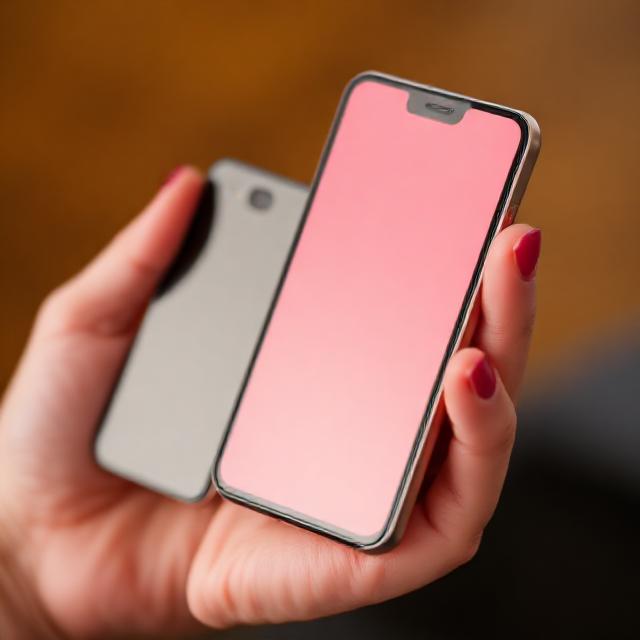
Why Foldable Phones Might Be the Future
Why Foldable Phones Might Be the Future
THE RETURN OF THE FOLD — BUT SMARTER In the early 2000s, flip phones ruled the world. Then smartphones arrived and flattened everything into one uniform slab. For nearly 15 years, phones barely changed. Until now. Samsung, Huawei, Xiaomi, and Honor have revived a new era of devices: foldables — phones that bend like books, open like tablets, and collapse into compact form factors. More than a trend, foldables represent a fundamental evolution of how humans interact with technology. Industry analysts predict that by 2028, foldables could account for 25–30% of premium smartphone sales, transforming the global market. But why? And what does it mean for consumers? This article explores the engineering, economics, design revolution, and long-term future of foldable smartphones — then concludes with a strong conservative stance on responsible tech adoption. THE TECHNOLOGY THAT MADE FOLDABLES POSSIBLE 1 Ultra-Thin Glass (UTG) One of the biggest breakthroughs. This glass is: thinner than human hair flexible scratch-resistant heat tolerant 2 Advanced Hinge Mechanisms Precision-engineered hinges allow: dust resistance smooth folding minimal crease visibility Samsung’s “Flex Hinge” and Huawei’s “Falcon Wing” are the industry benchmarks. 3 Dynamic OLED Displays Flexible OLED tech gives: brighter colors reduced power draw higher refresh rates Foldable screens can bend without distortion. THE FUNCTIONAL ADVANTAGE: TWO DEVICES IN ONE Foldables offer what slabs cannot: Phone Mode Compact, pocket-friendly, easy to carry. Tablet Mode Large-screen reading, multitasking, media creation. It’s effectively: a phone a tablet a mini-laptop …in one device. This eliminates the need for multiple gadgets. WHY FOLDABLES ARE GAINING MOMENTUM GLOBALLY 1 Work Productivity Split-screen multitasking makes it easier to: read email + write notes research + draft documents watch demos + code 2 Entertainment Power Bigger screen = better: gaming Netflix reading drawing editing 3 Lifestyle Convenience Folds to fit small pockets. Opens for big tasks. THE CHALLENGES HOLDING BACK FOLDABLES Cost Foldables still cost 30–40% more due to new materials. Durability Concerns Although improving, hinges and screens still require care. Weight & Thickness Batteries and hinges add bulk. App Optimization Not all apps fully adapt to fold-out mode yet. WHY FOLDABLES MAY BECOME THE NEW STANDARD Prices are dropping Budget foldables from Tecno and Xiaomi are already emerging. Better durability New hinge designs support 200,000+ folds. Larger screens demanded globally The average phone screen size has risen yearly. Multitasking is now essential Work-from-home and digital productivity require flexible screens. — BUY FOR VALUE, NOT FASHION A traditional conservative stance argues: ✔ 1. Don’t buy tech because it’s trendy — buy because it’s useful. Foldables are only worth it if they enhance productivity. ✔ 2. Prioritize durability and longevity. ✔ 3. Avoid overspending on luxury models. ✔ 4. Choose devices that support work, education, and family efficiency. ✔ 5. Technology must serve your life — not drain your wallet. Foldables may shape the future — but responsible spending shapes stability.
Quick FAQs
This FAQ summarizes the uploaded article titled “Why Foldable Phones Might Be the Future.”
It reflects ongoing changes in technology, society, and daily life.
Use information responsibly and stay informed.