
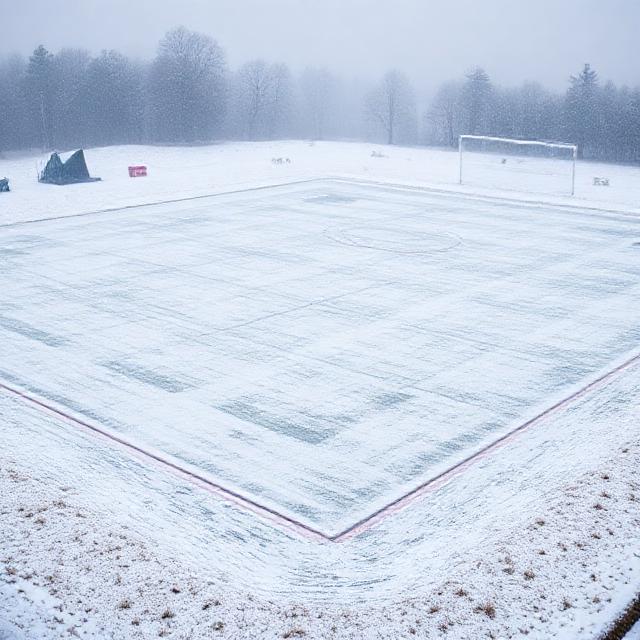
The Impact of Climate on Player Performance
High‑energy clarity — like stadium lights after a big win.
(Full investigative/documentary article)
WEATHER DOESN’T JUST AFFECT MATCHES — IT AFFECTS HUMAN PHYSIOLOGY
Climate influences:
stamina
hydration
speed
injury risk
tactical strategy
mental sharpness
Football is played on one field —
but under countless environmental conditions.
This article explains how climate shapes performance at the highest level.
HOT WEATHER REDUCES PERFORMANCE BY UP TO 15%
In high heat:
heart rate increases
dehydration accelerates
muscle fatigue arrives faster
cognitive speed drops
sprint distance decreases
Players perform fewer high-intensity runs and require more substitutions.
HUMIDITY IS WORSE THAN HEAT
Humidity slows sweat evaporation, causing:
overheating
reduced cooling
dangerously high core temperature
This affects tropical tournaments like AFCON or Copa America.
COLD WEATHER INCREASES INJURY RISK
Cold impacts:
muscle stiffness
reduced flexibility
slower reaction times
higher likelihood of tears
Northern European leagues spend heavily on warm-up science for this reason.
ALTITUDE MAKES BREATHING HARDER
High-altitude stadiums (e.g., Bolivia, Ethiopia) reduce oxygen availability.
Effects include:
faster exhaustion
slower recovery
lower sprint output
reduced explosive movements
Altitude adaptation requires days to weeks.
WIND INFLUENCES PASSING & LONG BALL STRATEGY
Wind affects:
ball trajectory
free kicks
crosses
goalkeeper clearances
Teams adjust tactics significantly in windy conditions.
RAIN TRANSFORMS THE GAME
Wet conditions cause:
faster ball speed
unpredictable bounces
sliding tackles
more goalkeeper errors
Some teams thrive, others collapse.
SPORTS SCIENTISTS PREPARE PLAYERS BASED ON CLIMATE
Teams tailor:
hydration plans
warm-ups
tactical shape
conditioning sessions
recovery protocols
Modern football is climate-calibrated.
CONSERVATIVE REFLECTION — SUCCESS COMES FROM PREPARATION, NOT COMPLAINING
Conservatism argues:
✔ 1. Climate is a challenge — not an excuse.
✔ 2. Strong teams adapt; weak teams blame conditions.
✔ 3. Preparation, discipline, and planning overcome environmental adversity.
✔ 4. Nations must use sports science, not emotion, to win consistently.
Climate affects performance —
but disciplined preparation conquers climate.
FAQs
How can I apply this as a fan or player?
Start by focusing on one skill or insight at a time. Consistent practice beats occasional intensity.
Is this beginner friendly?
Yes — the explanations are meant to be clear regardless of your level.
What’s the main takeaway?
Sport rewards discipline, smart habits, and the willingness to learn from mistakes.
Conclusion
Take the lesson, train it into habit, and enjoy the game. That’s how sport stays powerful.